
Positive Education
Facilisi commodo ac consequat erat risus duis velit quis velit fermentum feugiat sit bibendum pellentesque semper maecenas posuere cursus gravida.

Theresa Miles
Center Director
Create and Enhance Comprehensive Early Childhood Systems
Erat morbi gravida ut massa sociis tempus cras nunc lobortis tristique mi sollicitudin ut lectus elit est, quisque eget sed arcu praesent in gravida.
“Dolor fermentum amet tortor cursus duis imperdiet amet, velit, amet, amet sit tincidunt morbi tristique phasellus nec pretium leo nulla cursus lectus.”
Positive Leadership for Parents
A space to share reflections, practical ideas and evidence-informed insights on child development, behaviour and positive leadership in parenting.
With over a decade of experience in early childhood education, as well as the everyday joys and challenges of raising my own two children, I hope to support families in building more conscious, respectful and connected relationships with their children.
Because parenting isn’t about getting it right all the time. It’s about learning, growing and finding ways to lead our children with connection, respect and intention.

There is something slightly strange about the world children are growing up in today.
Technology is everywhere. We use it to work, communicate, navigate, organise our lives and, increasingly, to fill every little gap in between. A five minute wait in a queue feels long enough to reach for a phone. Friends meet for dinner and sit around the same table while each person looks at their own screen. Parents watch their children at swimming lessons or sport with a phone in their hand instead of their eyes on the activity. Sometimes, a baby is being gently rocked in a swing while the adult beside them is completely absorbed in a screen.

“Ohhh, not again… Please… someone give me more patience!”
It’s probably one of the most common silent prayers in parenthood.
After a long day, another tantrum, another refusal or another emotional outburst, it’s easy to believe that patience is exactly what’s missing. If only there were a little more patience, these moments would feel easier.
But what if patience isn’t the real issue?
What if what parents often need most is perspective?
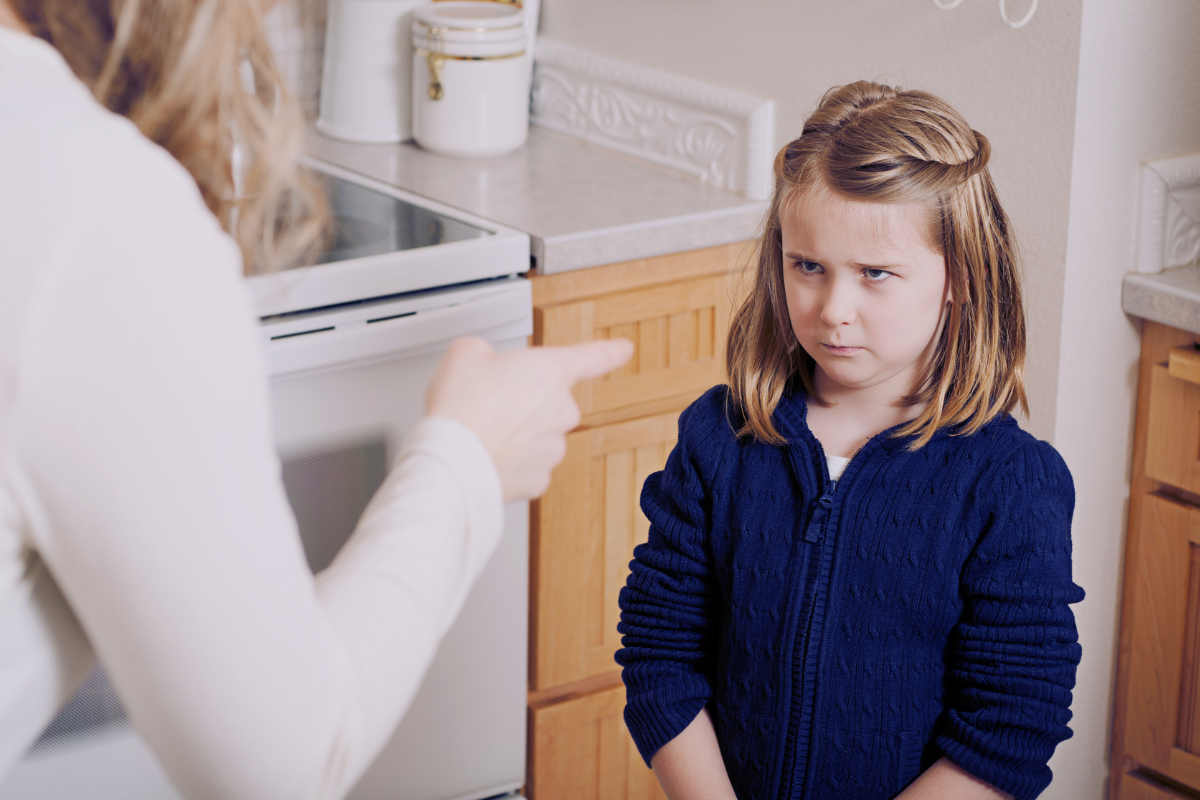
“If you don’t get in the car right now, we’re not going.”
“If you don’t pack your toys away, you won’t be allowed to play with them tomorrow.”
“If you don’t get in the bath this instant, there’ll be no story tonight.”
For many families, these phrases have become part of everyday life. But the problem isn’t necessarily the words themselves. It’s that, more often than not, everyone in the room knows they won’t actually happen.
The trip still goes ahead.
The toys come back out the next day.
The bedtime story is read as usual.