
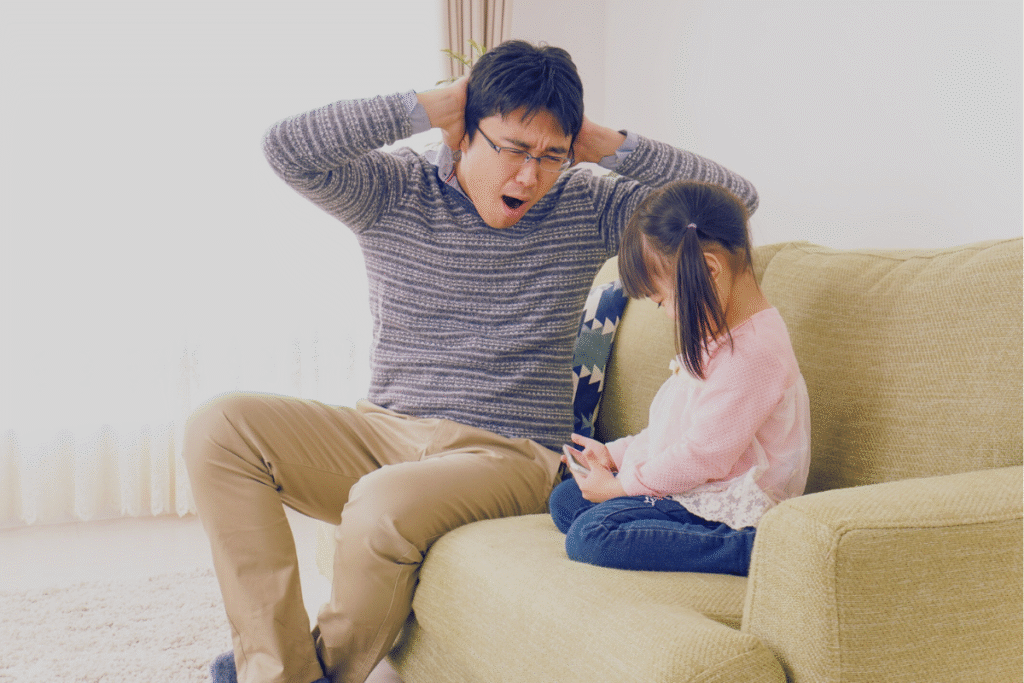
When faced with a child’s tears, frustration, or discomfort, many adults instinctively turn to distraction.
“Look at the bird over there!”
“Would you like a snack?”
“Let’s get your favourite toy.”
Most of the time, this doesn’t come from a place of bad intention — it comes from lack of information, exhaustion, or the discomfort we feel when we see a child struggling. But what seems like the easiest path in the short term can have deep consequences over time.
When a child is consistently distracted whenever they express difficult emotions, they do not learn to recognise, move through, or regulate those feelings. Instead, they learn that emotions are something to be avoided, silenced, or quickly “fixed”.
Inspired by the RIE approach and educators such as Magda Gerber and Janet Lansbury, we understand that emotional self-regulation is not built through distraction, but through presence. Through the child feeling seen, heard, and supported while experiencing what they feel.
Distraction interrupts the process.
Presence sustains the process.
A child who does not learn how to cope with frustration may grow into an adult who also struggles to do so. In adulthood, distractions simply change form: food, alcohol, overworking, social media, shopping, gaming, shallow relationships. Coping mechanisms that provide temporary relief but do not heal.
When we are not taught to look inward, we grow into adults who avoid.
And that avoidance begins early.
This does not mean leaving a child alone with their pain, nor ignoring their needs. On the contrary. It means staying with them. Naming what is happening. Validating the feeling. Offering emotional safety without needing to immediately erase the discomfort.
“I can see this is hard.”
“You’re feeling frustrated.”
“I’m here with you.”
This is how emotional foundations are built.
This is how we teach a child to trust themselves.
We live in a society that rushes to silence discomfort. But children do not need distraction — they need adults who can hold steady presence.
And that everyday choice shapes not only childhood… but the kind of adult that child will become.